When the Gulf warms up, Brownsville braces for more than wind and rain. Storms push pests and wildlife out of flooded habitats, drive insects into wall voids, and leave behind moisture that accelerates breeding cycles. A proactive plan—started weeks before the first advisory—can keep pests from turning storm stress into a full-blown infestation.
Start Your Pre-Season Prep Now
Hurricane preparation should include a pest resilience checklist, not just plywood and batteries. Focus on sealing, drainage, and sanitation so invaders have fewer ways in and fewer reasons to stay. Prioritize exterior vulnerabilities, especially around the slab, roofline, and utility penetrations.
Seal Vulnerabilities Before the First Storm
Wind-driven rain finds tiny gaps. Pests do, too. Fortify weak points to stop post-storm intrusions:
- Caulk cracks around windows, doors, weep holes, and utility lines.
- Install fresh door sweeps and repair torn weatherstripping and screens.
- Screen attic, soffit, and gable vents with corrosion-resistant mesh.
- Replace damaged roof flashing; secure loose shingles and vent caps.
These small upgrades reduce interior moisture and block insects and rodents seeking dry refuge.
Manage Water So Pests Don’t Thrive
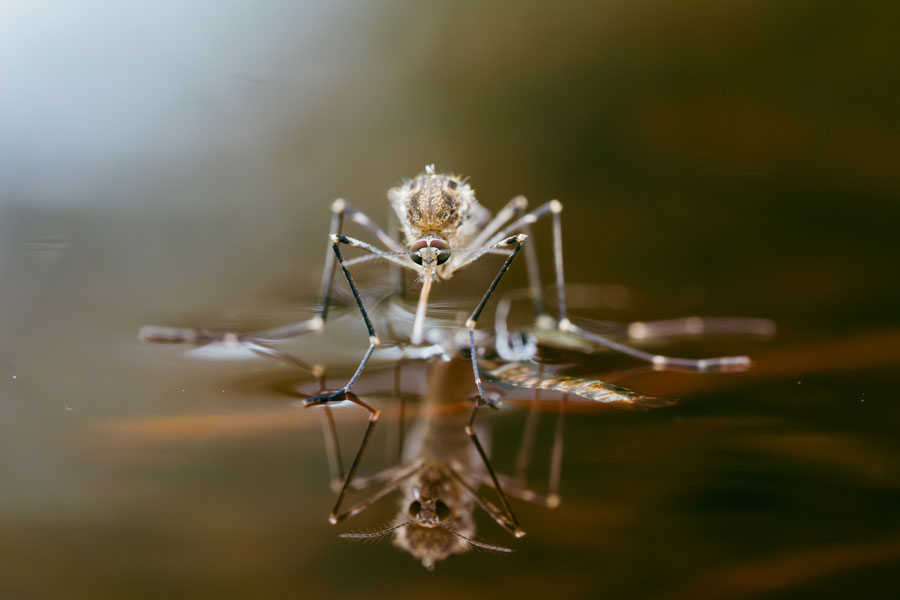
Standing water is the fuel of mosquito blooms and roach migrations. Shape your landscape to shed water quickly and keep structures dry:
- Clear gutters and downspouts; extend them 4–6 feet from the foundation.
- Regrade low spots that pond after heavy rain; add crushed rock where needed.
- Keep mulch to 2 inches and pull it back from siding to discourage harborage.
Moisture management also helps drywall, trim, and insulation dry faster after a storm.
Remove Debris and Outdoor Attractants This Week
Storm clutter becomes a pest shelter. Tidy up now to shorten recovery time later:
- Secure trash with tight lids; schedule an extra pickup before the storm.
- Dispose of cardboard, yard waste, and scrap lumber that harbor roaches.
- Inspect fences and sheds for gaps animals could exploit if displaced.
- Bring pet food, bird seed, and grill drippings indoors to cut attractants.
A clean perimeter keeps scavengers and insects from settling in when services are disrupted.
This combination reduces knockdown time after the first sunny day and speeds full recovery.
Conduct Post-Storm Checks Within 72 Hours
After heavy rain, inspect quickly—early action prevents costly repairs:
- Look for ant trails, swarmers, or mud tubes along the slab and fence lines.
- Note musty odors, condensation on ductwork, and water-stained drywall.
- Empty any new standing water; refresh birdbaths and treat non-drainable water.
- Photograph activity to guide targeted follow-up treatments.
If you find two or more indicators, schedule a professional visit to stop population surges.
Make Pest Readiness Part of Your Storm Plan
Hurricanes are unpredictable, but pest prevention doesn’t have to be. Build a routine that starts before the season, tightens up right after an advisory, and includes a post-storm inspection. For a streamlined approach, book a pre-season service with Bug Off Pest Control. Our local team times treatments to weather patterns, reinforces exclusion, and delivers fast follow-ups after rain events—so your home stays protected when Brownsville needs it most.